


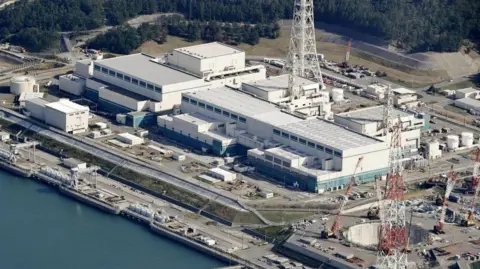
Japan is edging closer to giving the go-ahead for the reactivation of the planet's biggest nuclear power plant—marking the initial occasion it would be operated since the 2011 Fukushima disaster.
The governor of Niigata, head of the Niigata prefecture where the Kashiwazaki-Kariwa nuclear facility is situated, announced he has given the green light for the partial restart.
The initiative to recommence functioning at the facility, operated by utility company Tepco, still needs authorization from the local government assembly and the Japanese nuclear oversight body before it can advance.
Assuming consent is granted, it would be the inaugural occasion the utility company would be allowed to resume atomic reactor activities in Japan since its Fukushima plant experienced a meltdown following a tidal surge.
Local Residents Split on Restart
People living in Niigata are of differing opinions over whether the facility should resume operations or not.
Hanazumi informed a media event on the end of the week that his ruling would be discussed in the final month of the year at a prefectural government assembly, where he would pursue the assembly's approval.
The approval would be for the restart of operations at the Kashiwazaki-Kariwa plant's Reactor 6, then the seventh reactor.
Background and Business Recovery Plan
The resumption of operations at the facility is part of Tepco's company revitalization initiative in the aftermath of the Fukushima meltdown, which was resulted from a massive 9.0 quake and massive tsunami.
When the station's units were flooded by the tidal wave, it led to radiation to leak out and compelled 150,000 people to be evacuated from the area.
Japan ordered all its nuclear power plant reactors to be deactivated in 2011 following the catastrophe. Afterward, 14 reactors have resumed operations.
Tepco was mandated to pay massive sums in compensation to those harmed and is also funding the facility's shutdown expenses.
Local Sentiment and Concerns
A study issued by Niigata prefecture last month showed that 50% of its locals supported the station's reactivation, while 47% were opposed. It also revealed that almost seven in ten of residents in the area were concerned about the company operating the facility.
Energy Targets and Future
Friday's decision demonstrates a interest among certain groups in the country to move towards increased use of nuclear power to lessen use of fossil fuels, as the nation aims for a goal of zero net emissions.


